Creatine Isn’t Just for the Gym Anymore
By Dr Christopher Lepisto
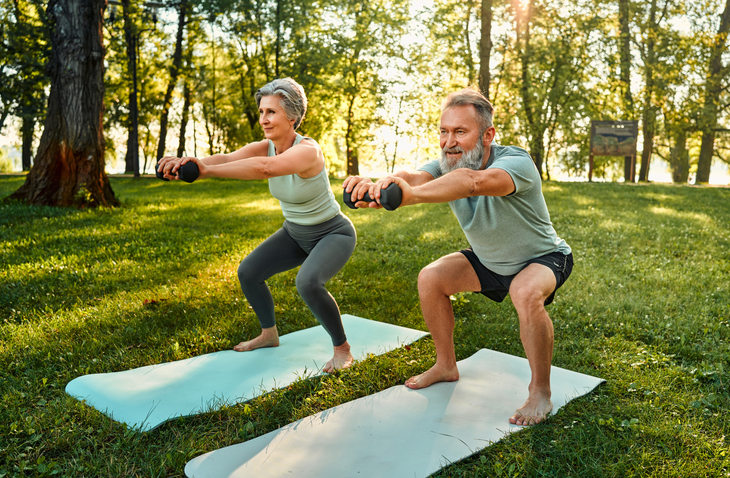
For years, creatine was mostly associated with bodybuilders and athletes trying to improve strength and performance. But recently, the conversation has changed. Creatine is now being studied not only for muscle support, but also for cognitive function, balance, recovery, and healthy aging.
That shift matters because muscle health becomes increasingly important as we age, and tools that prevent muscle loss become more essential. Strength is closely tied to metabolism, injury prevention, balance, and long-term independence. Recovery also changes over time. Many people notice they no longer bounce back from exercise, travel, stress, or poor sleep the way they once did.
Creatine plays an important role in cellular energy production, particularly in tissues with high energy demands like muscles and the brain. Researchers are now exploring its potential role in supporting memory, mental clarity, neurological resilience, and fatigue recovery.
Women are increasingly part of this conversation as well, especially around midlife when hormonal shifts can accelerate changes in muscle mass and energy. Vegetarians and vegans may also benefit more noticeably from supplementation, since creatine is found primarily in red meat and animal proteins.
At the same time, there is still confusion surrounding creatine. One common misconception is that it damages the kidneys. In healthy individuals, research has generally not supported this concern when appropriate dosing and hydration are maintained. As always, context matters, especially in people with underlying kidney disease or more complex medical histories.
Like many popular therapies, creatine is neither a miracle nor a gimmick. It is simply one tool that may support energy metabolism and resilience when used appropriately.
In practice, I view supplements like creatine within a larger picture that includes nutrition, digestion, exercise, sleep, stress physiology, and recovery capacity. The real goal is not simply performance—it’s preserving vitality and function for the years ahead.